Digitization: Collections Internship
Digitization: Collections

Digitization: Collections
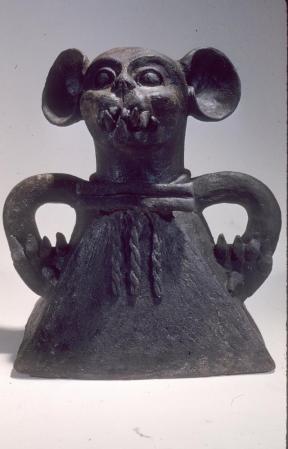
Milwaukee Public Museum director Dr. Stephan F. de Borhegyi spent many years excavating in and around Lake Amatitlán in Guatemala. This area was occupied over a great length of time by the Maya, from 500 BC to the Spanish Conquest (about AD 1500). Many items were brought up from the lake by divers, including several ceramic censers, containers used to burn copal incense, which played an important role in Maya rituals. The Milwaukee Public Museum is one of the primary repositories of artifacts from sites from this area. The Museum website has a page on the Lake Amatitlán collection and its history. You can also see the Lake Amatitlán exhibit on the Museum’s Pre-Columbian mezzanine.
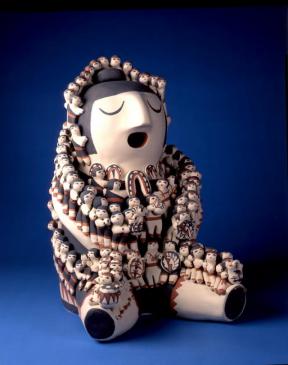
This impressive ceramic storyteller was made by renowned Southwest artist Mary E. Toya of Jemez Pueblo in the early 1980s. At 19 inches tall and with 115 children attached, this is one of the largest and most intricate pieces of its kind. Storyteller figures symbolize the wisdom of elders and illustrate the importance of contact between generations. The value of stories is highly prized by American Indians and oral history is still a means of educating young people in the traditional knowledge and values of their cultures. The Museum acquired this piece in 1997 through the generosity of the late Donald S. Ackerman, his son Mark Ackerman, and his daughter Francine Huxley.
Can I donate material to the Collections of the Milwaukee Public Museum?
Donations to the Permanent Collections are accepted when they meet a number of critieria including fitting the Museum’s mission and collecting goals for each department. The Museum only accepts gifts without restrictions and abides by all appropriate state, federal, and international laws concerning materials offered for donation.
.jpg)
Local schools and charitable organizations with an educational mission and 501(c)3 status may request and receive a maximum of two (2) one-time use admission vouchers annually for a fundraising event, auction, or raffle benefiting an educational purpose.
It also houses the Museum's archives.
The Library is open to researchers by appointment only. Those wishing to use the Library facilities must make an appointment at least 24 hours in advance of their visit.
Ichthyology (fishes) collection is the largest in the department with about 685,000 catalogued specimens in over 35,000 lots and representing more than 2000 species and 300 families. The majority of the collection is Wisconsin freshwater fishes (29,000 lots), but more than 26 U.S. states and 15 countries are represented.
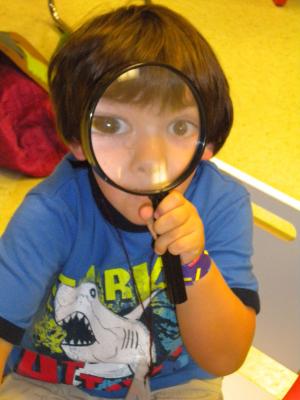 The Early Learning resource pages are designed for our youngest explorers.
The resources gathered here are developed with a focus on the PreK-K student.
We offer great career opportunities for people all levels of training, experience, and education. We are a composition of diverse and talented staff working together as a team to offer our visitors the best possible experience in learning and enjoyment.
The Milwaukee Public Museum is an Equal Opportunity Employer.