
Search
DataBlitz
Welcome to MPM’s DataBlitz!
The DataBlitz is an event where you, the museum visitor, get to help us by transcribing scientific data from our collections. Like MPM's BioBlitzes, we want to see how many natural history specimen records can be transcribed in a single day. Unlike the BioBlitz, however, where the public comes to see scientists in action, we are inviting you to do the action!
This event will take place on Saturday, October 22, 2016 from 11:00am-3:00pm.
Planetarium Newsletter - April 2020
Cosmic Curiosities
“It is spring again. The earth is like a child that knows poems by heart.”
- Rainer Maria Rilke, Austrian Poet-Writer
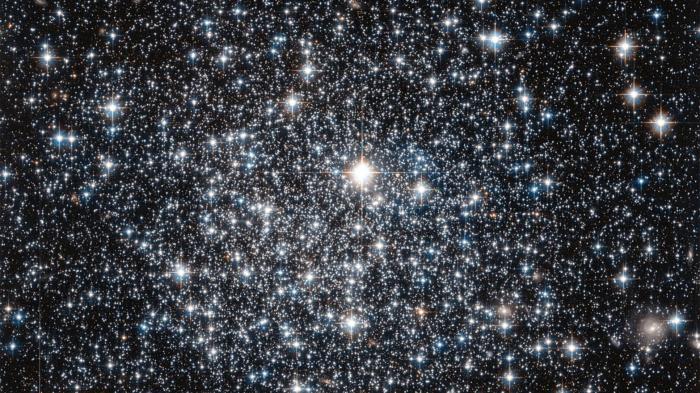
The Universe, Us, and the Coronavirus
Butterflies & Insects: Virtual Programs & Digital Resources
Butterflies and insects are not only beautiful and interesting, but they are incredibly important!
Our virtual insect and butterfly resources assist students and their teachers in exploring the way many insects contribute to the well being of humans, animals, plants, and the planet itself.
The Hebior Mammoth
Found less than 30 miles from the Milwaukee Public Museum on a farm in the small town of Paris in Kenosha County, the Hebior Mammoth is among a group of important finds that help date the early presence of humans in North America.
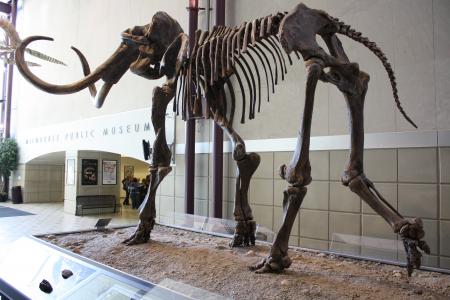 In the early 1990s, a group from Marquette University, led by David Overstreet, was excavating a different mammoth in Kenosha County when John Hebior, a farmer living near the excavation site, approached the researche
DataBlitz
Welcome to MPM’s DataBlitz!
The DataBlitz is an event where you, the museum visitor, get to help us by transcribing scientific data from our collections. Like MPM's BioBlitzes, we want to see how many natural history specimen records can be transcribed in a single day. Unlike the BioBlitz, however, where the public comes to see scientists in action, we are inviting you to do the action!
This event will take place on Saturday, October 22, 2016 from 11:00am-3:00pm.
Pre-Columbian America
The Third Floor Mezzanine (Pre-Columbian America) is permanently closed to the public as part of the next phase of packing for our new museum. Take a virtual tour of the gallery here.
Mesoamerica, a term used for the community of cultures found in southern Mexico and northern Central America from 2500 B.C.
Material Culture and the Arts
For Native people in the Great Lakes area, finding sufficient food was sometimes a challenge.
They structured their seasonal round of movements and forays to different areas to take advantage of rice, nuts, berries and other foods which were plentiful as well as travelling to good fishing spots and areas where game was plentiful.
November: Native American Heritage
MPM’s Native American galleries on the Second Floor illustrate the connection that America’s first people had with the land.
 Their ingenuity and ability to adapt to their surroundings supported them as they settled across a broad range of environments and developed into hundreds of culturally diverse tribes.