
Publications and Papers of the Milwaukee Public Museum (1910-2007)
Select publications below are available as PDF files.
Click title to download.

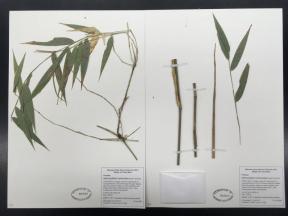
This is a specimen of the bamboo species Arthrostylidium venezuelae. A. venezuelae is one of over 400 species of bamboo that are native to Central and South America. Most American bamboos have small stems and use surrounding vegetation to help them stand upright. This specimen is from Costa Rica and it served as one of the sources of DNA used in a 2012 research paper on the evolution of woody bamboos of the New World tropics. American bamboo diversity and evolution is one of the many research areas that MPM curators have investigated over the years.
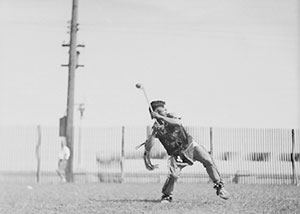
Games often taught skills and values necessary for adult life, such as patience, sportsmanship, dexterity, hand-eye coordination, endurance, and critical thinking.
Regionally, Great Lakes Indians are part of what is called the Woodland Culture Area. The Woodlands include the forested eastern part of North America, east of the Mississippi River and north of Cape Hatteras and extending north of the Great Lakes and the Saint Lawrence seaway into the Canadian Maritimes. In their basic pattern and way of life, Woodland Indian cultures are broadly similar, but also include regional environmental and cultural differences.
They structured their seasonal round of movements and forays to different areas to take advantage of rice, nuts, berries and other foods which were plentiful as well as travelling to good fishing spots and areas where game was plentiful.
To know about a past for which there are no written records, physical remains must be studied in an orderly way. As with any science, this field is continually changing as new discoveries are made and new ideas are developed. The following is a brief discussion on Wisconsin archaeology, generally representing the views of archaeologists and anthropologists.