Membership Frequently Asked Questions
1. How do I create or login to my online account?

1. How do I create or login to my online account?
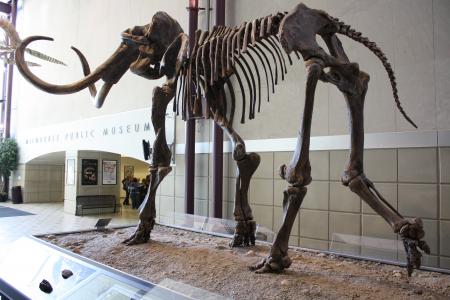 In the early 1990s, a group from Marquette University, led by David Overstreet, was excavating a different mammoth in Kenosha County when John Hebior, a farmer living near the excavation site, approached the researche
There are several reasons why MPM is pursuing a new facility, but the most important is that the Museum will not be able to sustain operations into the future in the current building.
The building, constructed in the early 1960s, has approximately $100 million deferred capital maintenance. Milwaukee County, despite its best efforts, simply does not have funds available to maintain the building — akin to the situation at the Domes and other county-owned facilities.
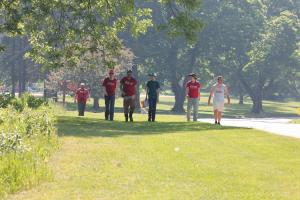 Grant Park, a unit of the Milwaukee County Park System, is a 381-acre park located at 42.918056 N 87.845982 W. It is a multi-use park with a golf course, tennis courts, soccer fields, and natural areas.
“Never have I beheld any spectacle which…so forcibly taught the lesson of humility to man as a total eclipse of the Sun.”
~ James Fennimore Cooper, 19th century American writer
Last Thoughts before the Big American Eclipse
The first treaty the Menominee signed with the United States was in 1817. Like most Midwestern tribes, the Menominee sided with the British during the War of 1812, and after the conflict ended, the United States made peace with all the tribes which had opposed it during the war. The 1817 Treaty restored a state of peace between the United States and the Menominee, and the tribe sold no lands at this time.
The Ho-Chunk signed a total of six treaties with the United States. The first three were efforts to create peace with the United States and neighboring tribes. In 1816, the first treaty between the United States and the Ho-Chunk was signed to end hostilities heightened by the War of 1812 in which the two nations were on opposing sides. After the war, the Ho-Chunk and other Midwestern tribes began to fight among themselves, with war parties avenging past wrongs and fighting to secure new hunting territories.
MPM is in the process of building a new, 200,000-sq. ft. natural history museum in downtown Milwaukee, set to open in early 2027. Learn about the latest construction milestones, visitor experience announcements, behind-the-scenes packing efforts, and more:
Inspired by the unique rock formations at Mill Bluff State Park in central Wisconsin as well as the confluence of Milwaukee's three rivers, the architectural design of the Future Museum will stoke curiosity and wonder and serve as a gathering place for learners of all ages and backgrounds to come together. Learn more about the inspired design and view high-resolution renderings of our new home:
LM BTN
The Museum's five permanent galleries will feature several exhibits that explore the interconnectedness of nature and culture under their broader gallery theme. The exhibits will build upon and reimagine the iconic moments and visitor experiences at the current Museum, showcasing many of the 4 million priceless objects and specimens.
Click the buttons below to view design concepts of the Future Museum's exhibit galleries:
EX BTNS