Planetarium Newsletter - February 2025
*/
/*-->*/

“That once a year, by hand or apparatus
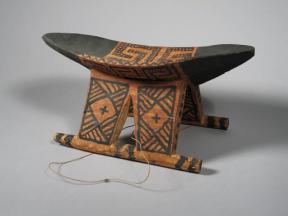
The Waiwai are a native Amerindian group living in southern Guyana (formerly British Guiana) and northern Brazil. There are approximately 200 Waiwai living in Guyana and 2,000 in Brazil. Of the native groups in Guyana, the Waiwai have remained the most traditional, but have still been influenced by missionaries to the region. The 33 items in this collection mainly represent everyday items such as basketry, bow/arrows, and body ornamentation. The collection was acquired in 1965 on an expedition led by Lon W. Mericle, a Museum Research Associate in Anthropology. Few museums in the United States have material produced by this tribe.
“When you reach for the stars, you may not quite get them,
but you won't come up with a handful of mud either."
- Leo Burnett, American Advertising Executive

Most of the estimated 300,000 images in the collection were taken by Museum staff and record the work of the Museum -– its collections, research, exhibitions, and activities. Images from the collection increase awareness of the Museum and are used in exhibits, textbooks, journals, and electronic media.
Significant collections include:
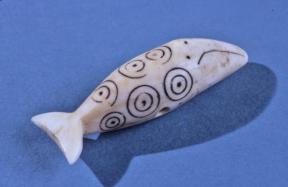
R. N. Hawley, a native Milwaukeean, was a surgeon on the U.S. Revenue Cutter Bear in the late 1800s through the early 1900s. While on several voyages to northern Alaska and Siberia, Hawley collected material from various Inuit (Eskimo) groups. The collection, acquired by the Museum in 1900, consists of 255 objects that include fishing equipment, models of kayaks, carved walrus tusks, and housewares made from bone and wood. The early date of Hawley's collection illustrates the more traditional forms of these types of native items, prior to the groups modifying items for tourism. Objects from this collection are currently on display in the Third Floor Arctic exhibit.
“The universe is made of stories, not of atoms.”
~ Muriel Rukeyser, American Poet