Culture
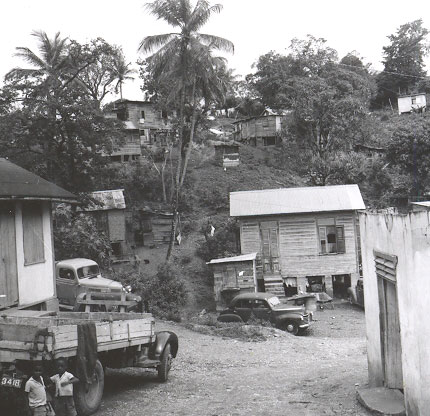
A hillside village. (MPM Neg. #: 80088B)


A hillside village. (MPM Neg. #: 80088B)
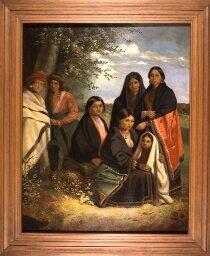
This oil painting by Samuel M. Brookes from 1858 is the accompaniment to the painting of Menominee men from the same year. The subject matter is exceptionally rare because it is a portrait of American Indian women. It is a visual record of the ways in which these women used European goods, such as textiles and glass beads, and fashioned them into their own aesthetic. The imagery also represents the gradual fading out of traditional Menominee materials due to trade.
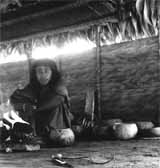
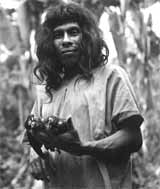
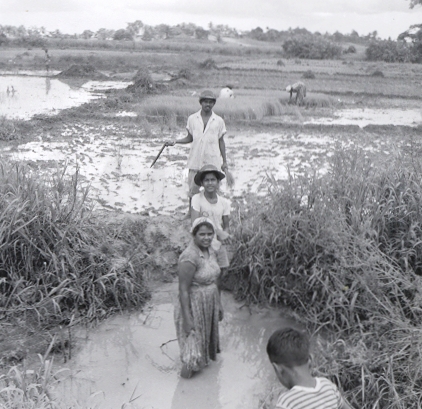
There is also a reconstructed façade of a house and two black and white photographs of daily life; a stool; peanut grinding board; combs; food stirrers; and calabash spoons. The exhibit case, called "Bush Negro of Suriname South America" is located on the third floor of the Museum, at the end of the African Hall and the beginning of the South American Hall.

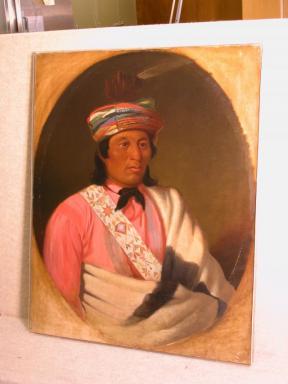
Originally from England, Samuel M. Brookes moved to Milwaukee in the 1840s and found a niche in the local art scene by painting portraits. He was commissioned by the Wisconsin State Historical Society in 1858 to paint important Native American chiefs and settlers of the area. This large oil painting is supposedly of the Menominee chief named Oshkosh. A tremendous amount of dignity is visible in the expression and posture of the man in the painting, along with a sense of his importance in Wisconsin history.
Little is known about the history of Trinidad or Tobago before Christopher Columbus landed on their shores in 1498. By the 1300s, the island was largely populated by Arawak and Carib Indian populations, of which little physical trace remains. These populations were largely wiped out under the Spanish encomienda system, which pressured Indians to convert to Christianity and labor as slaves on Spanish Mission lands in exchange for “protection”.