East Indians in Trinidad
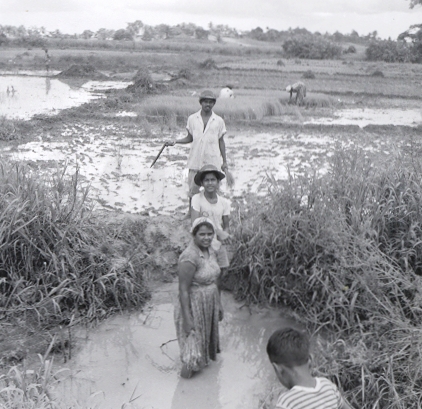
Harvesting in the rice fields. (MPM Neg. #:10835A)


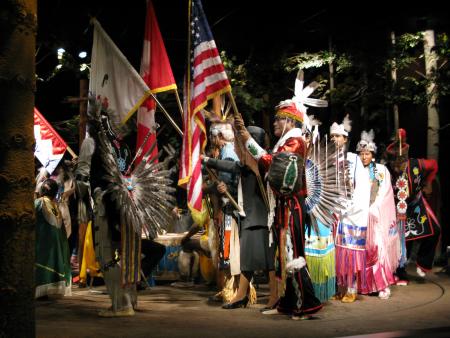 These figures are on an enormous turntable around singers at a drum and pass through areas of theatrical lighting accompanied by the sounds of American Indian music.
The purpose of the Citizen-based Monitoring Program of the Wisconsin Department of Natural Resources is to support efforts using citizen volunteers to monitor the status of the state's aquatic and terrestrial plants, animals, and their habitats. By using this questionnaire to submit observations of sponges in your local waterways, you will become a participant in this program.
 Construction is finishing up and the Streets of Old Milwaukee will be opening on Friday, December 11. In the meantime, Granny’s hitting the streets and visiting some of her favorite Streets’ shops in present-day Milwaukee.
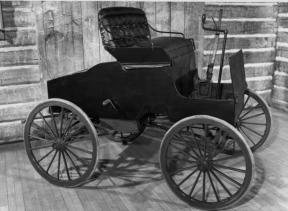
The Schloemer automobile, on exhibit in Streets of Old Milwaukee, was the first internal combustion vehicle to run on the streets of Milwaukee. This vehicle is a product of Gottfried Schloemer's and Frank Toepfer's interest in producing a self-propelled vehicle. After their first attempt, a bicycle-like vehicle that required its passengers to pull a bar back and forth to operate the crank shaft, Schloemer and Toepfer looked to other innovations. Schloemer and Toepfer borrowed the gasoline engine design from the Sintz Machinery Company in Grand Rapids, Michigan. The engine was a single-cylinder and ignition was provided by two steel points which made contact within the engine. The engine was placed below the seat and was powered by a belt system. Improvements in steering were made in time and other features were added, such as brakes. The vehicle was ultimately commercially unsuccessful but inspired others to improve on the design. The car was bought by the Museum in 1920 from Gottfried Schloemer, who used it to promote his business. This is the only one of its kind in existence.
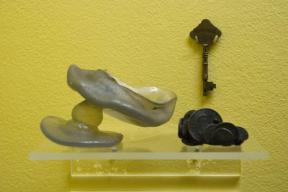
The Newhall House fire relics recall the story of one of the nation's greatest hotel disasters. Before burning down, the Newhall House Hotel was one of the finest hotels in the country. Located in downtown Milwaukee, it attracted many guests from all over the world. Unfortunately, in January 1883, the hotel burnt to the ground, leaving at least 90 dead. After the fire, locals came to the ruins and picked through the ashes for Newhall House memorabilia to take home. Occasionally burned artifacts, like this goblet, are still being donated today.
 Titans of the Ice Age transports viewers to the beautiful and otherworldly frozen landscapes of North America, Europe, and Asia 10 thousand years before modern civilization. Travel across monumental glaciers and sweeping grasslands, rich in life—a Northern Hemisphere whose vast plains resembled the African Serengeti. Roam the mammoth steppe with baby Lyuba, a 40,000 year old female Woolly Mammoth calf, now one of the best preserved mammoth mummies in the world. Discover the story of Zed, one of the most complete Colombian Mammoth skeletons ever uncovered. Witness a time when the hunters became the hunted, where saber-tooths, dire wolves, and cave bears ruled untamed continents.
Showing June 15 - October 7, 2018
Buy Now
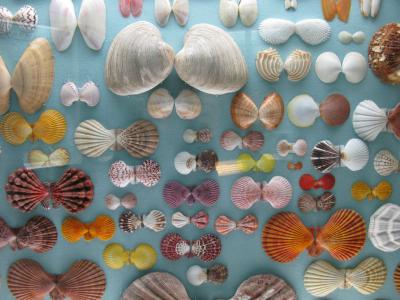 After climbing the stairs, you will begin an imaginary voyage past different ocean habitats from the shallow waters under a Caribbean pier down to the sunless zone of luminous fishes as seen from a bathysphere.
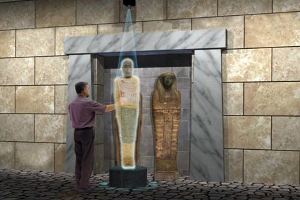 Proof of Concept for Holographic Display
The Milwaukee Public Museum is planning a major new exhibition centered on ancient Egypt, Mesopotamia, Greece and Rome, utilizing not only current information and interpretations, but new technologies beyond traditional presentation methods.
With plenty of streams and lakes to draw from, they depended on fish for a great part of their diet. Among the Ojibwe, women did most of the fishing, except for ice fishing in the winter and spear fishing in the spring. A wide variety of methods were used, including line and fishhooks, nets, spears, traps, lures, bait, and a line for trolling.