Search
Works Progress Administration Murals
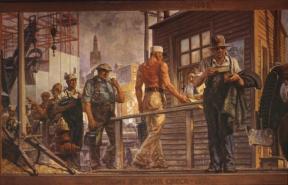
One of President Franklin Delano Roosevelt's New Deal administration policies, the Works Progress Administration, offered jobs to keep people employed during the Great Depression. At the Milwaukee Public Museum, Director Samuel A. Barrett wanted to keep his staff employed, so he designated space for murals throughout the Museum to depict different exhibits and periods in world history. This endeavor allowed the current Museum staff to stay employed during a time when many people were losing their jobs. This mural shown here is by Albert O. Tieman and is titled Milwaukee Workers Being Paid by Check in 1937.
Ethnobotany
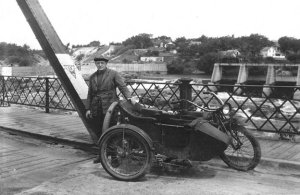
Huron Smith came to the Milwaukee Public Museum in 1917. He had received degrees from De Pauw and Cornell Universities and was an Assistant Curator of Botany at the Field Museum of Natural History, Chicago specializing in dendrology before coming to Milwaukee to head the Botany Department.
Pre-Columbian Gold
The Milwaukee Public Museum's Pre-Columbian Gold collection comes from Peru, Panama, Costa Rica, Colombia, and Mexico. Until the mid-1900s, such items were worth more as scrap than as artifacts and were melted down, losing a great amount of information. For this reason, museum collections are vital in providing information on Pre-Columbian gold working.
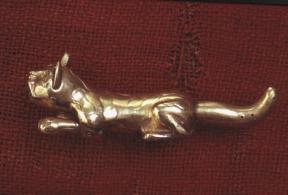
This artifact is a hollow jaguar fabricated from 12 pieces of sheet-gold. It dates to the Earliest Moche period (400-100 BC) and is from the Lambayeque Valley in northwest Peru. The jaguar is one of a set of seven identical pieces that were made by the same craftsman. The other jaguars in this set are in museums in Chicago, Richmond, Montreal, Lima, Munich, and Hamburg. This object and other examples of Pre-Columbian gold are on exhibit on the Third Floor mezzanine.
Mexican Kickapoo Collection
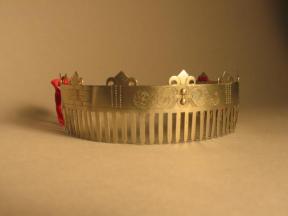
The Mexican Kickapoo reside on a reservation in the Santa Rosa Mountains of Coahuila. They originally inhabited land in northwest Ohio and southern Michigan, but were forced westward to northern Illinois and southern Wisconsin in the mid-1800s. They slowly spread westward into Kansas and south into Oklahoma, some reaching as far as northern Mexico. This collection comes from 1954 fieldwork conducted by Dr. Robert Ritzenthaler, Milwaukee Public Museum Curator of Anthropology, and from anthropologists Dolores and Felipe Latorre between 1960 and 1972. The Mexican Kickapoo are relatively isolated and reluctant to allow visits by outsiders. The collection, primarily consisting of clothing, basketry, and German silver jewelry and adornment is one of the largest collections of Mexican Kickapoo items in the United States.
Maps
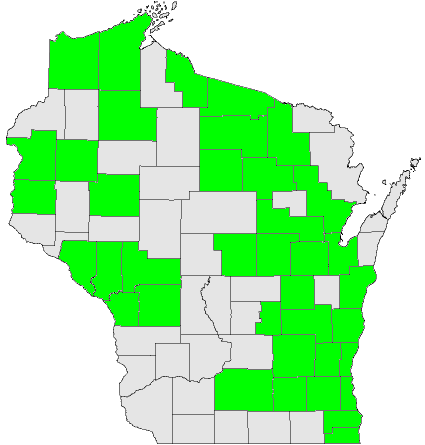
Counties from which sponges were recorded prior to 1940

Member Preview: Spiders
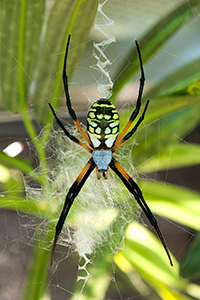
Explore the Museum's latest special exhibit during the Spiders Alive! member preview.
Explore spiders’ anatomy, diversity, venom, silk, and behavior including little-known defense mechanisms such as mimicry and noise-making.