January: The Arctic
Discover arctic biodiversity this January.
Under the cover of ice and cold, people, animals and even plants have adapted and evolved over time to survive and even thrive in the cold harsh winters.



Under the cover of ice and cold, people, animals and even plants have adapted and evolved over time to survive and even thrive in the cold harsh winters.
The Ojibwe speak a language of the Algonkian language family and constitute the largest Indian group north of Mexico. Their extensive pre-contact territory in Canada was mainly north of Lakes Superior and Huron. During historic times, they spread west and south and, today, numerous Ojibwe bands stretch from present-day Ontario in eastern Canada all the way into Montana.
 Transport yourself to a sensory wonderland.
Stroll through a lush, tropical garden. Hear the murmur of a cascading waterfall and the soothing sounds of tranquil music. Watch as exotic butterflies emerge from their chrysalises and sip nectar right before your eyes.
This magical atmosphere, filled with swirls of brilliant color and fanciful patterns of butterflies in flight, can only be found in the Museum's Puelicher Butterfly Wing.
“Time comes into it. Say it. Say it.
The universe is made of stories, not of atoms.”
- Muriel Rukeyser, American Poet
%20Northern%20Lights_0.jpg)
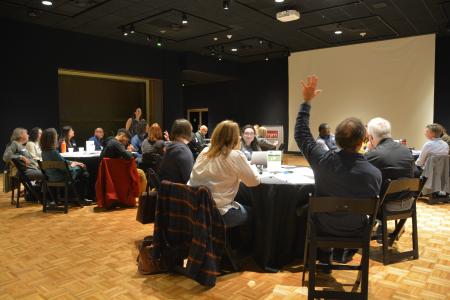 The Nature & Culture Museum of Wisconsin will not just continue that tradition, but make it the heart of the Museum.
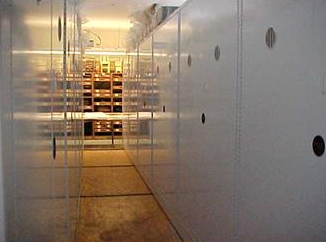 Current collection counts are based on inventories of prime collections (firearms, business machines, textiles, etc.), high number counts for individual catalogue series, and estimates for items catalogued in the Anthropology ledgers.
To date, 13 underwater archaeological sites have been found and all but one are in the northern half of the lake. Evidence of ancient agricultural terraces is evident on the hills of the northern and southern shores of Lake Amatitlán, and several Maya archaeological sites have been identified on the shores as well. The order and type of ceramic styles found at a site can provide clues to its age.
Mercury makes its best evening appearance in mid-to-late March. For morning watchers, the best time to catch the smallest planet is late August to early September.
Venus can be seen in the morning sky until early April. After that, catch the brightest planet in the evening sky in late July until the rest of the year.
Mars starts slow in 2024. The red planet is in the morning sky but not easily visible until April. By November, it will be brighter and easy to spot.