Aztalan Collection
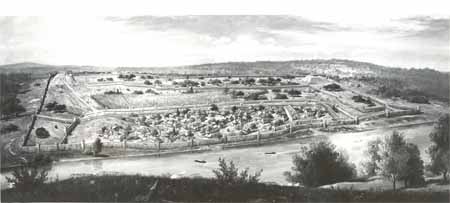
Figure 1. Mural of Aztalan by MPM artist George Peters circa 1937


“Though the mind can justify itself faster than the speed of light,
it can be stopped through the act of writing.”
- Byron Katie, American Author

This exhibit created one of the first walk-through dioramas in the world, transporting the visitor back to a fall evening in Milwaukee at the turn of the 20th century. It was an immediate hit and continues to be the most visited spot in the Museum. In honor of the Streets 50th anniversary, the exhibit was reimagined by further incorporating themed storytelling and a heightened sensory experience to give the visitor a different perspective on every visit.
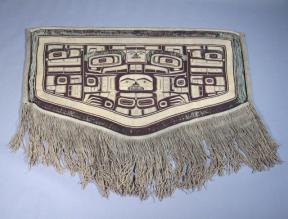
The Chilkat is a Tlingit band that lives in southeastern Alaska. Their blankets, woven from mountain goat wool and cedar bark, are five-sided, heavily fringed, and display stylized animal figure designs. During important ceremonies, the blankets are worn as capes. The Chilkat blanket weaving tradition originated with the Tsimshian people who live south of the Chilkat, but the tradition spread to them through trade and marriage. The Chilkat refined this blanket weaving style to its highest level in the late 19th century but largely died out about 100 years ago; the traditional form is continued by only a few weavers. Dr. H. M. Brown of Milwaukee received this blanket as payment by an American Indian father for treating his daughter. It was donated to the Museum in 1929 by Dr. Brown's wife.
"How can I hope to be friends
with the hard, white stars
whose flaring and hissing are not speech
but a pure radiance?”
- Mary Oliver, American Poet
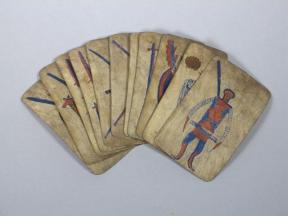
These playing cards are from the Apache, an American Indian tribe living in Arizona. Apache playing cards are thought to be influenced by the Spanish, however the cards' decorations are distinctly of the traditional Apache artistic style. Made of rawhide and decorated with a variety of pictorial designs, the cards represent numbers or face card values. Playing cards had widespread use by the Apache during the late 19th and early 20th centuries, and were even traded for by non-Apache groups. There are not many complete card sets, such as this one, that exist today. These cards a part of a larger collection donated by G. E. Copeland of Milwaukee in 1922.
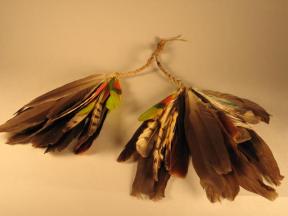
The Museum's Chamacoco Collection consists of 70 objects, such as this belt ornament made of tropical bird feathers, and represent items both for everyday use and for ceremonies. Collected in 1925 by the Museum of the American Indian in New York, they came to the Milwaukee Public Museum that same year. The Chamacoco live in the Gran Chaco region of northwest Paraguay. The Chamacoco today alternate between their traditional hunting and gathering and more recent light agriculture, craftsmanship, or labor. Their population has dwindled from several thousand to approximately 1,000 people today, and few museums in the United States have such collections.
“The greatest enemy of knowledge is not ignorance; it is the illusion of knowledge.”
- Daniel J. Boorstin, American Historian