

Planetarium Newsletter - October 2026
Cosmic Curiosities
"There is nothing new under the sun, but there are new suns."
- Octavia Butler, American Science Fiction Writer
Five Cosmic Firsts
Every time you stargaze, you observe the cosmos through ideas and discoveries that took place long ago. Below are five people who uncovered amazing facts about our universe.
PYTHAGORAS
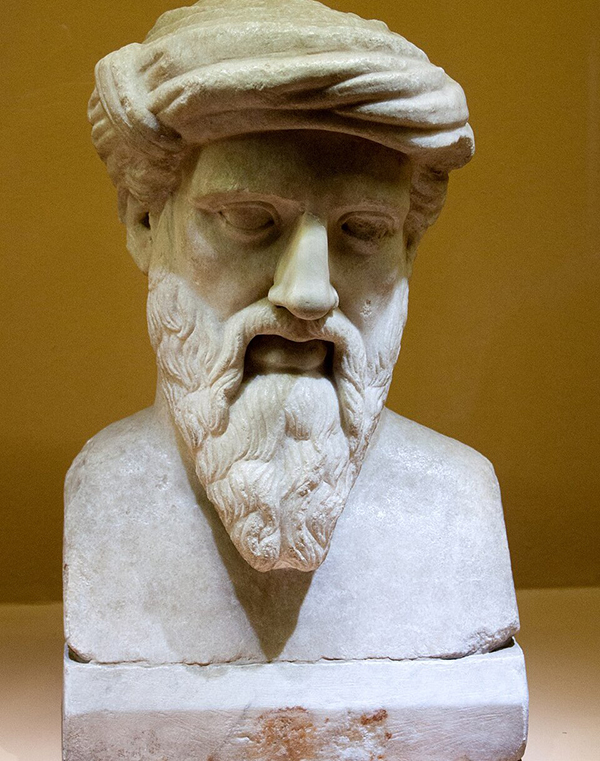
Credit: Wikipedia
The brilliant ancient Greeks first discovered the Earth was round, shattering the myth of a flat world. Around 500 BC, the philosopher Pythagoras proposed a spherical Earth based on aesthetic harmony. Centuries later, the legendary thinker Aristotle proved it by observing the curved shadow of the Earth cast upon the moon during lunar eclipses and noticing how stars shifted as travelers moved north or south. Finally, in 240 BC, the genius mathematician Eratosthenes calculated the planet's circumference with astonishing accuracy using shadows, wells, and pure geometry, cementing a cosmic truth that changed humanity's horizons forever!
ARISTARCHUS OF SAMOS
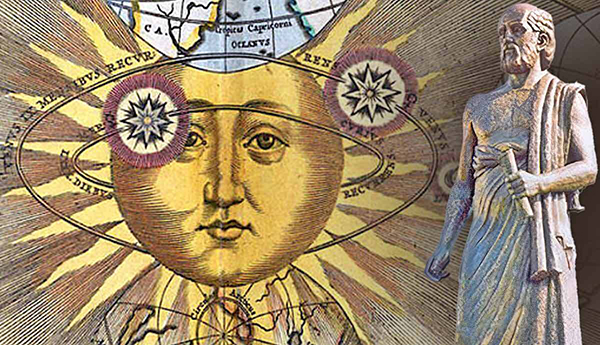
Credit: Wikimedia Commons
If we trust our eyes, the Earth is stationary. The sun and stars move around us. But it has been proven that we move on our planet at incredible speeds. Who was the first to propose this wild idea? The bold stargazer was Aristarchus of Samos, an ancient Greek who came up with idea almost 2,300 years ago. How did he fathom that the Earth is the one in motion?
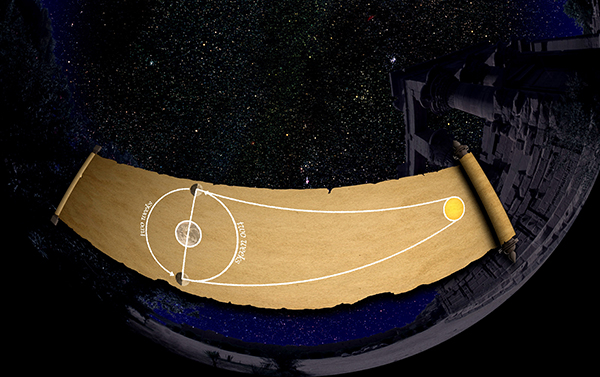
Aristarchus simply observed and used a little geometry. He noticed it takes two weeks to go from first quarter moon to third quarter moon. And it takes around two weeks to go from third quarter back to first quarter moon. He knows at each quarter phase, there must be a right triangle at the moon. But for that to happen, the sun needs to be a lot farther away.
Aristarchus knew the sun and moon are the same size in the sky. He then realized from his moon phase observations that if the sun is farther away, the sun is much bigger than the moon—and the Earth. He audaciously concluded a smaller Earth must orbit a bigger sun! The astute Aristarchus was ahead of his time. No one advanced his idea. The Earth's motion was not proposed again until 1,800 years later with Nicolas Copernicus.
GALILEO? LIPPERSHEY? OR WHO?
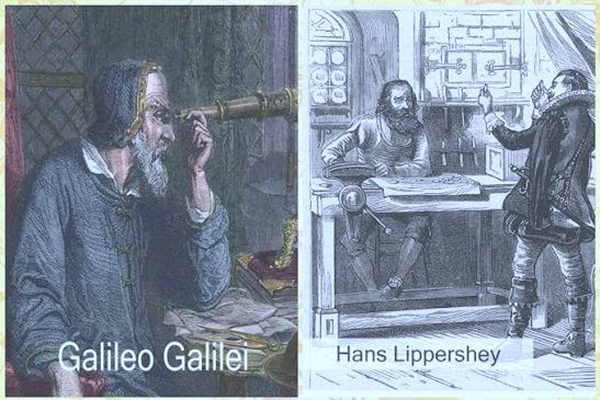
For centuries, the person who invented the telescope has sparked intense debate. While history officially credits Dutch eyeglass maker Hans Lippershey with filing the first patent in 1608, controversy swirls around whether he stole the design from his neighbor, Zacharias Janssen, or a third craftsman, Jacob Metius. Many think Italian scientist Galileo Galilei was the inventor, but his skills perfected the telescope from information he had collected. British scholars argue Thomas Harriot was the first to turn the telescope toward the heavens, months before Galileo.
Magnification goes further back in time, though. Ancient Egyptians and Babylonians used water-filled glass globes to magnify text. The Roman emperor Nero reportedly watched gladiator fights through a polished emerald. The philosopher Seneca noted that tiny letters appeared larger when viewed through a glass sphere filled with water.
KRISTIAN BIRKELAND
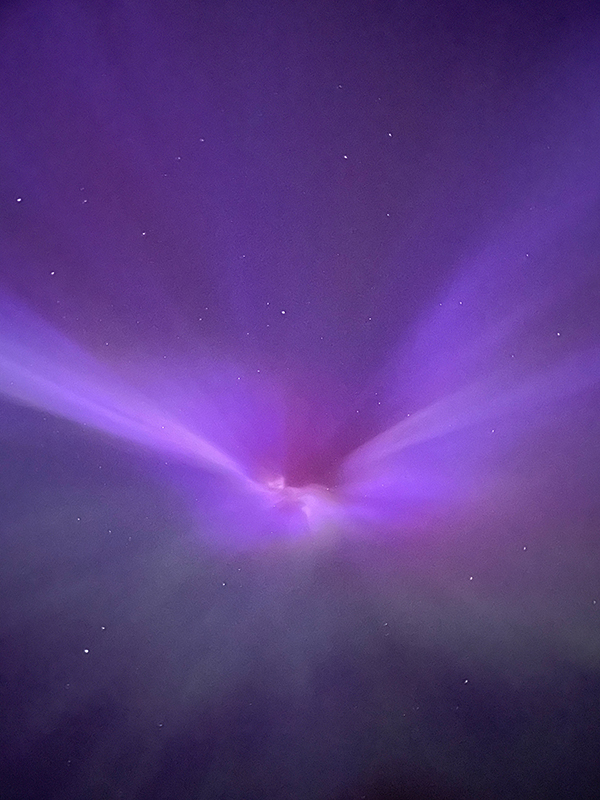
It was just 130 years ago that Norwegian physicist Kristian Birkeland uncovered the scientific truth behind the lovely aurora. For the longest time, explanations came in the forms of various myths and spirits dancing in the sky.
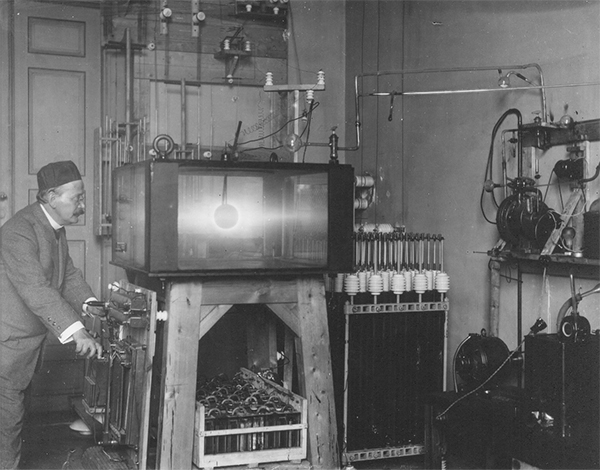
Credit: Nasjonalbiblioteket, Billedsamlingen, Oslo Norway
After many painstaking years observing the northern lights, often on very cold nights, Birkeland boldly proposed that the aurora was an electrical phenomenon. He theorized that the sun shoots out streams of negatively charged electrons toward Earth. To prove it, he built the Terrella—a magnetized vacuum chamber simulating Earth—and fired electrons at it. The particles naturally guided along the magnetic fields, creating a glowing ring around the mini-planet's poles.
While the scientific community initially mocked his "space electron" theory, history vindicated him. Space-age satellites later confirmed that solar winds—streams of charged particles from the sun—do smash into Earth's magnetic field. This collision energizes atmospheric gases, releasing the vibrant, dancing lights we see today. Birkeland successfully unlocked the cosmic secrets of the aurora.
FRED WHIPPLE
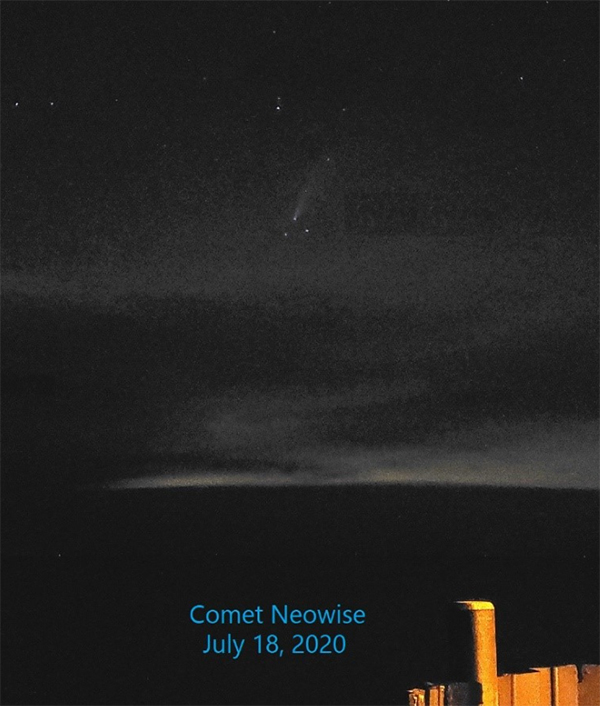
For centuries, comets were feared. They were cosmic signs of doom. Sure, Edmund Halley predicted his comet's return in 1758, but it was American astronomer Fred Whipple who in 1950 proposed his groundbreaking "dirty snowball" theory.
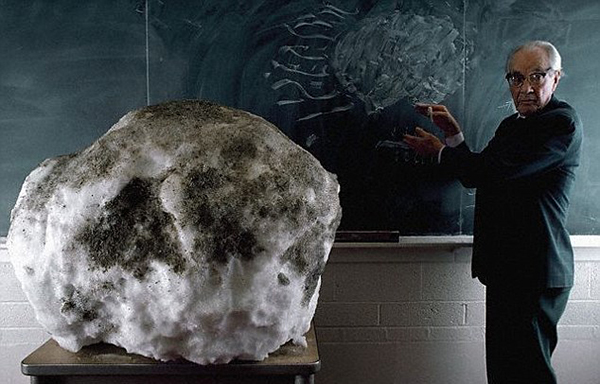
Credit: Harvard University
Whipple realized comets are huge icebergs orbiting the sun. He deduced their solid cores were composed of frozen water, ammonia, methane, and carbon dioxide, all tightly bound with dark interstellar dust. As these frozen wanderers barrel closer to the sun's heat, they vaporize and blast out beautiful glowing tails of gas and dust. Whipple's brilliant insight forever transformed these terrifying phantoms into breathtaking, icy time capsules of our early solar system.
Cosmic Halloween Connection
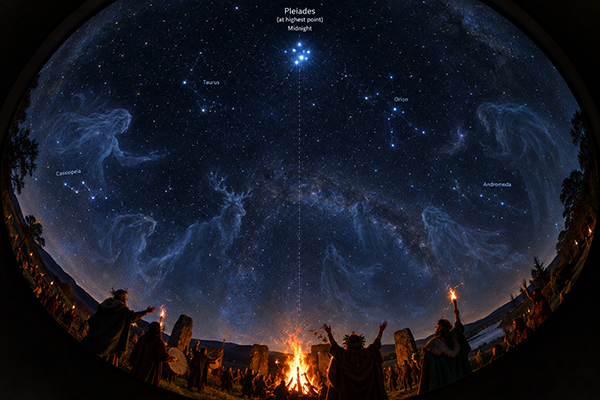
The sky has always been a calendar. The sun, moon, and stars still guide our activities and rituals as they have in the distant past. One celestial time connection is Halloween and the Pleiades star cluster, which is sometimes called the Seven Sisters.
Centuries ago, the ancient Celts celebrated Samhain. This festival is the original precursor to our current Halloween. Darkness descends rapidly around late October. To the ancient Celts and Druids in northern Europe, this was their start of winter—which is halfway between astronomical markings for autumnal equinox and winter solstice.
The Celts figured the date for Samhain while watching the positioning of the sun and stars, specifically the Pleaides. During their sacred Samhain commemoration, it was believed dead spirits would wander from sunset until midnight. After midnight, these nightly ghosts are said to go back to rest. These ancient stargazers knew the time was midnight because the Pleiades star cluster culminated or reached its highest point in the sky. The Pleiades served as a cosmic clock.
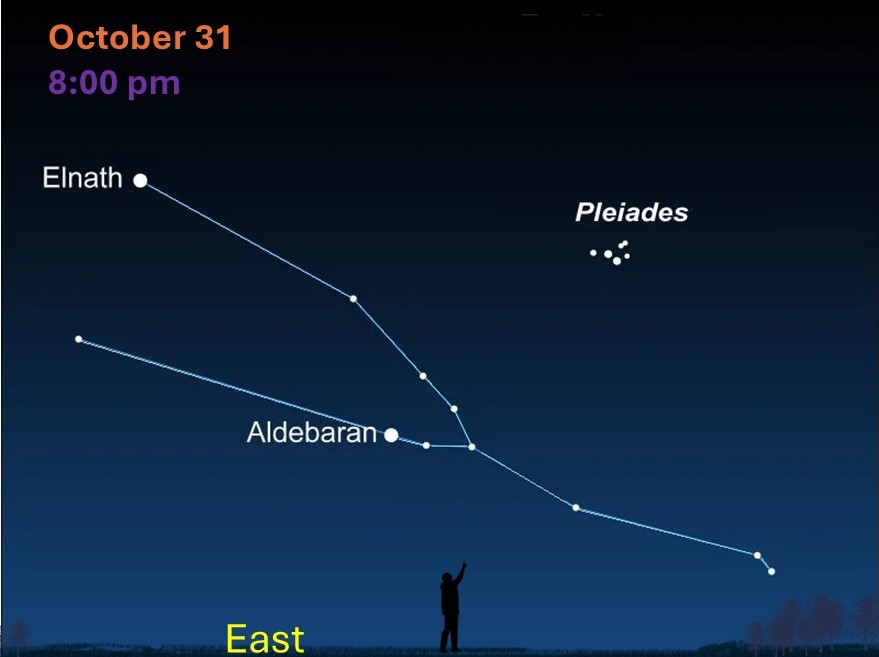
Dead spirits wandering about the night sky eventually led to many spooky Halloween traditions we experience today. So, maybe this Halloween night, find the glittering Pleaides after sunset and rising higher in the sky (weather permitting). It is not just a beautiful sight; it is a cosmic bridge to an ancient story that still sparks our season of ghosts.
Lunar Occult(ation)
They are called lunar occultations, but they remind me of eclipses. On October 6, a waning crescent Moon will eclipse Jupiter.
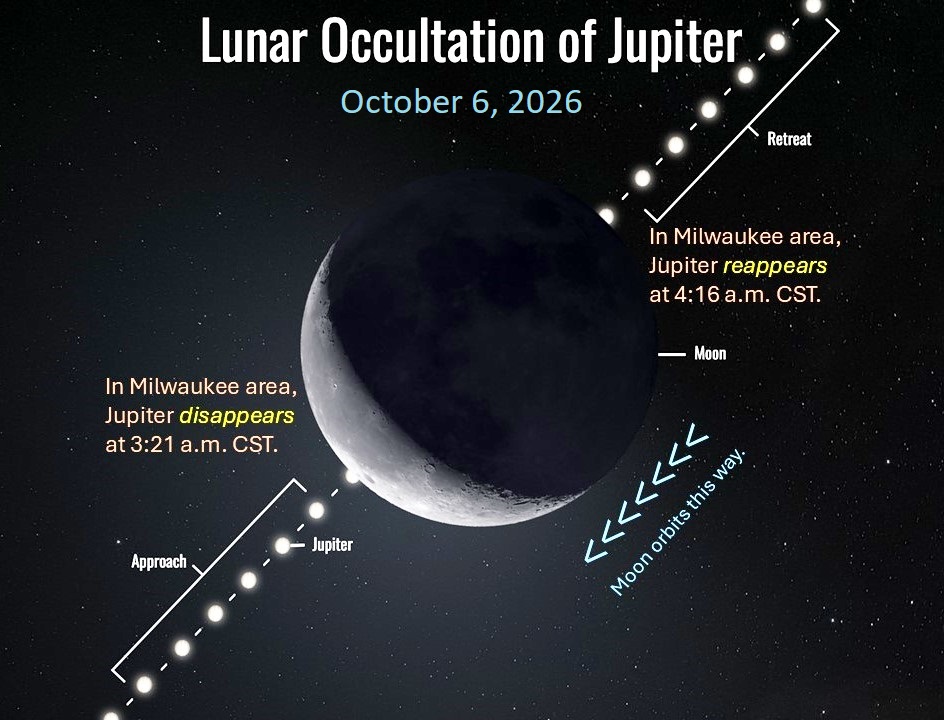
The times are not optimal, but welcome to astronomy! At 3:21 a.m. CDT, Jupiter slowly vanishes as the moon moves in front of its bright light. This takes about a minute because Jupiter is relatively close to us and covers more of the sky. When the Moon occults a bright star, the star vanishes at an instant because stars are incredibly far away. Think of it this way: Our best spaceship today can get to Jupiter in one year. If the ship kept going and went to a "nearby" star, it would take 100,000 years to get there.
At 4:16 a.m. CDT, Jupiter slowly comes back into view.
It is a cool event to witness—if you can't sleep.
Space in 60 Seconds
Before a spooky Halloween night, catch all the October skies and our moon eclipsing Jupiter.
Sky Sights
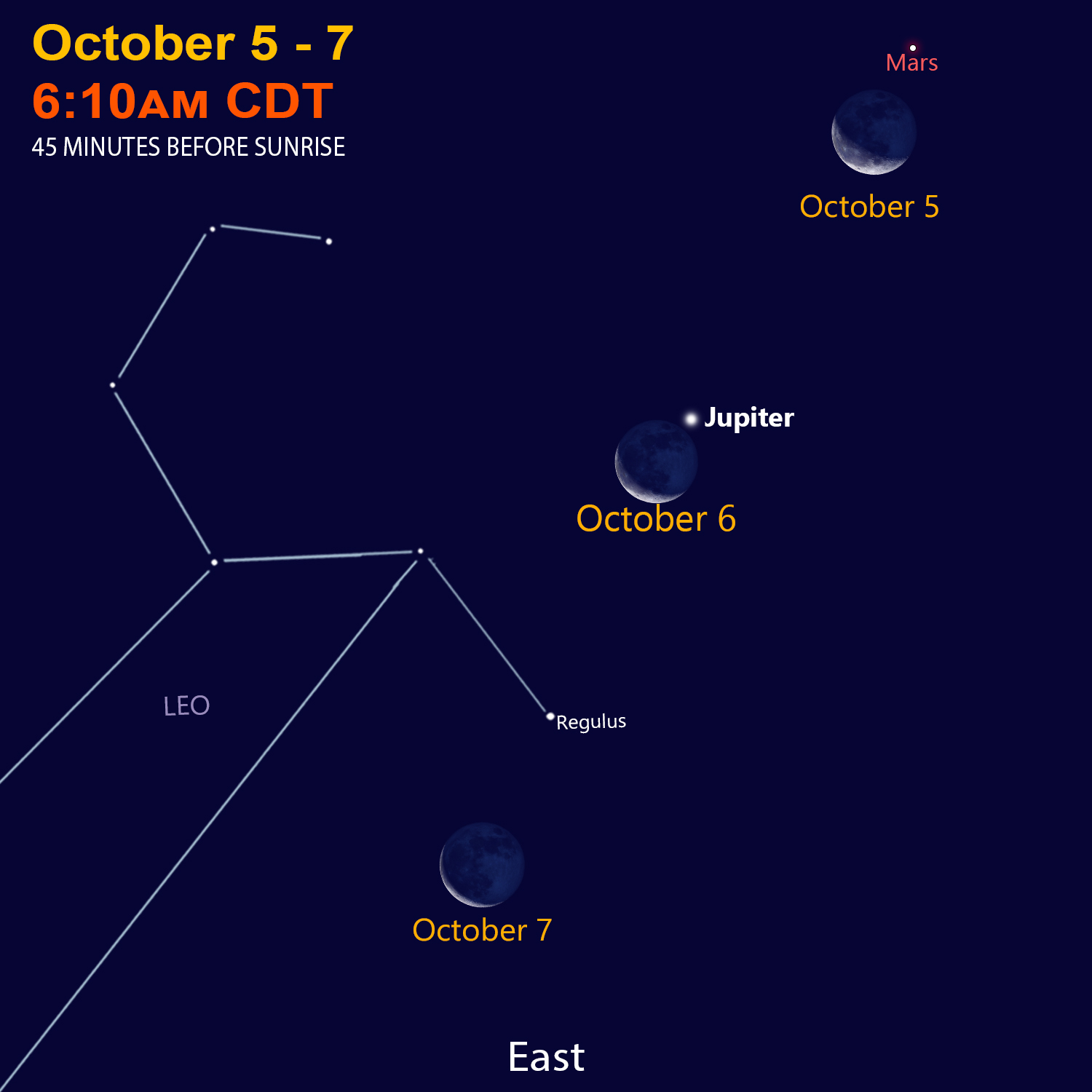
On the mornings of October 5 to 7, catch a waning crescent Moon orbiting by Mars first and then speeding on to shine with brilliant Jupiter. If you miss the lunar occultation on October 6, you can still see them about 30 minutes before sunrise, which is 6:55 a.m. CDT.
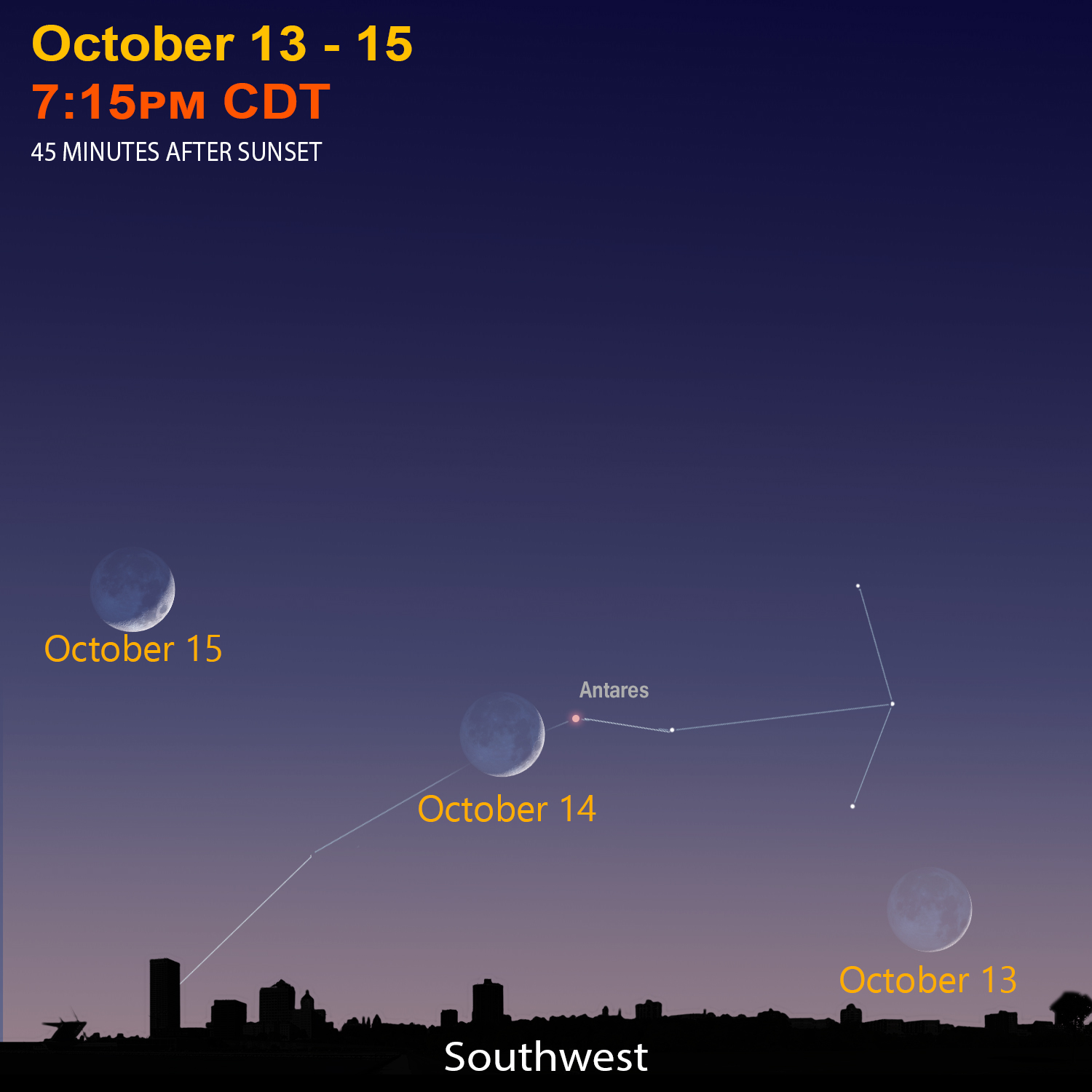
It is the last chance to view the red star Antares in the Scorpion. Find it shining near a waxing crescent Moon from October 13 to 15.
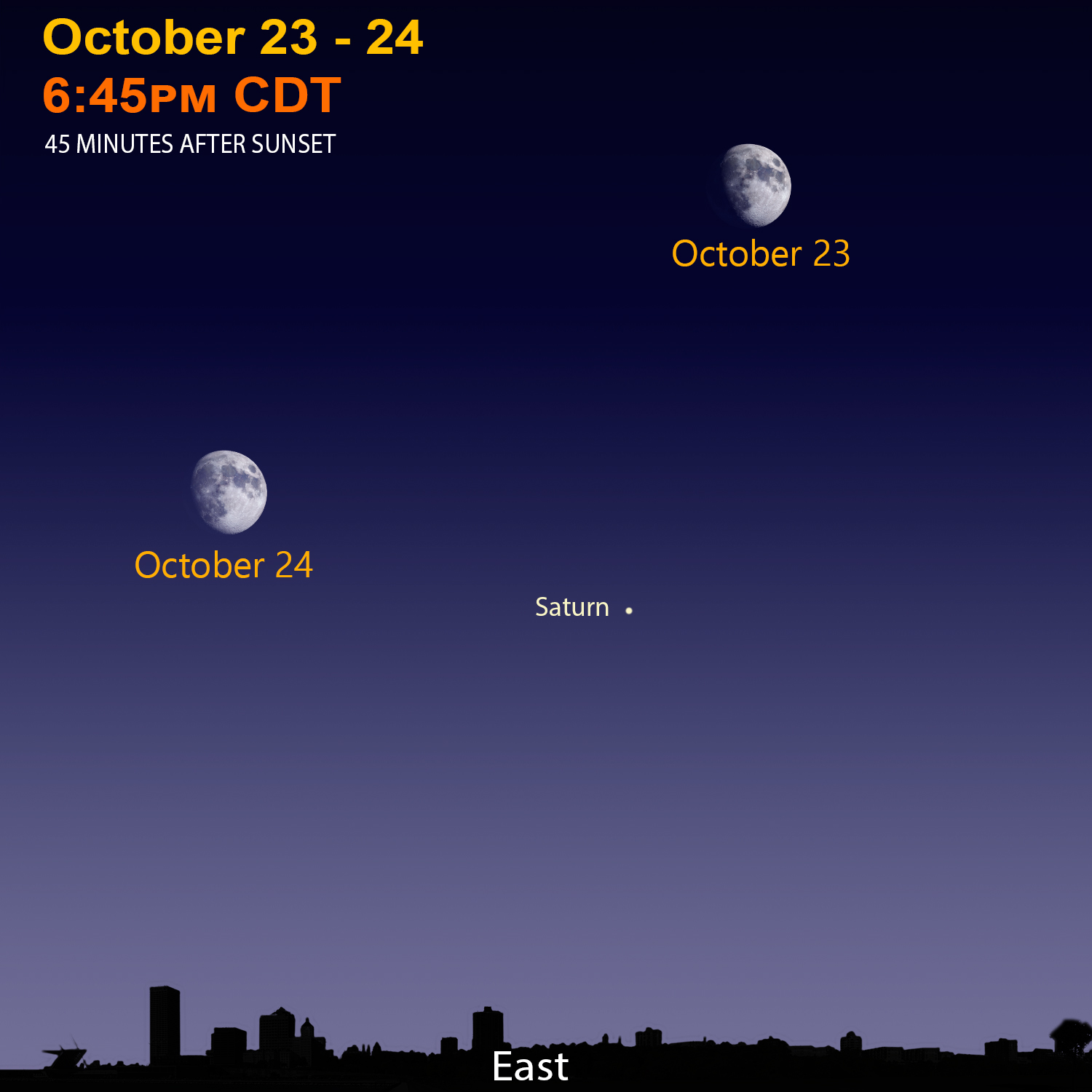
Saturn is opposite the Sun on October 3. This means the ring jewel rises at sunset and sets at sunrise. Look for Saturn close to the near full Moon on October 23-24.
Venus is not visible for most of the month as it orbits between the Earth and Sun. Look for the brightest planet in the morning skies in very late October and November.
October Star Map
Sign Up
Receive this newsletter via email!
Subscribe
See the Universe through a telescope
Join one of the Milwaukee-area astronomy clubs and spot craters on the Moon, the rings of Saturn, the moons of Jupiter, and much more.
Follow Bob on social media
Twitter: @MPMPlanetarium
Facebook: Daniel M. Soref Planetarium